Am I Experiencing Menopause? Signs, Symptoms & Treatment Options
How Can I Tell If I Am Dealing with Menopause?
Menopause is a natural biological transition, not a disease. It marks the end of a woman’s reproductive years, but with appropriate medical support, women can remain healthy, energized, mentally sharp, and sexually active well beyond menopause.
That said, menopause is often accompanied by significant hormonal changes that can disrupt daily life. Many women experience physical symptoms, emotional changes, sleep disruption, and shifts in energy levels that can affect work performance, relationships, and overall quality of life. Understanding what is happening in your body is the first step toward effective treatment.
What Happens During Menopause?
Menopause is officially diagnosed after 12 consecutive months without a menstrual period. Leading up to and following this transition, the ovaries dramatically reduce production of estrogen and progesterone, two hormones that play essential roles in cardiovascular health, bone density, brain function, temperature regulation, and mood stability (The North American Menopause Society [NAMS], 2022).
As estrogen levels decline:
The brain’s temperature regulation center (hypothalamus) becomes more sensitive, triggering hot flashes and night sweats
Sleep cycles become disrupted
Vaginal and urinary tissues lose elasticity and moisture
Bone remodeling slows, increasing fracture risk
Cholesterol metabolism changes, raising cardiovascular risk
Progesterone production also ceases, which can further amplify mood swings, anxiety, irritability, and sleep disturbances. These hormonal shifts may intensify symptoms that began during perimenopause—or introduce entirely new ones (Faubion et al., 2015).
Common Signs and Symptoms of Menopause
Menopause affects each woman differently, but the most commonly reported symptoms include:
Absence of menstrual periods for 12 months or longer
Hot flashes
Night sweats
Irritability or increased emotional sensitivity
Mood swings or anxiety
Difficulty falling or staying asleep
Brain fog, memory lapses, or difficulty concentrating
Vaginal or vulvar itching
Vaginal dryness or discomfort with intimacy
Decreased libido
Bone loss and increased fracture risk
Joint aches or stiffness
(NAMS, 2022; Davis et al., 2018)
Symptoms can range from mild to severe. For some women, they are short-lived. For others, they persist for years and significantly impact health and well-being.
Emotional and Mental Health Changes During Menopause
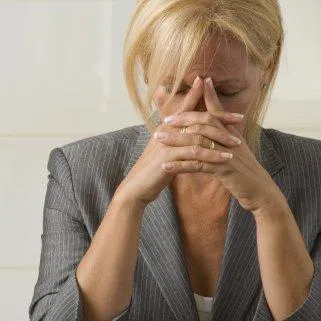
Hormonal changes during menopause don’t just affect the body—they also affect the brain. Estrogen interacts with neurotransmitters such as serotonin and dopamine, which regulate mood, motivation, and emotional resilience. As estrogen declines, women may experience:
Increased anxiety
Depressive symptoms
Reduced stress tolerance
Sleep-related mood disturbances
These changes are biologically driven, not psychological weakness, and they are highly treatable with appropriate hormone support (Maki et al., 2019).
What Should I Do If I Am Experiencing Menopause Symptoms?
If you are experiencing symptoms that interfere with your sleep, mood, energy, or daily function, it is important to seek medical evaluation rather than dismissing them as something you must simply “push through.”
At Hormone Treatment Centers, we take a comprehensive approach to menopause care. This includes:
Detailed symptom assessment
Comprehensive hormone testing
Evaluation of cardiovascular, bone, and metabolic health
Development of a customized hormone replacement therapy (HRT) plan
Estrogen Therapy and Menopause
Estrogen therapy remains the most effective treatment for menopausal symptoms such as hot flashes, night sweats, vaginal dryness, and sleep disruption (NAMS, 2022).
Current medical guidelines support initiating estrogen therapy:
Within 10 years of menopause onset, or
Before age 60, when benefits outweigh risks for most healthy women
When started within this window, estrogen therapy may also:
Support cardiovascular health
Preserve bone density
Improve quality of life and long-term health outcomes
(Manson et al., 2017)
Treatment is individualized based on personal health history, risk factors, and symptom profile.
Support Is Available
Menopause is a transition—not the end of vitality. With proper hormone optimization and medical guidance, women can navigate menopause with confidence and maintain long-term health.
If you believe you may be experiencing menopause, our team at Hormone Treatment Centers is here to help you understand your symptoms and explore treatment options designed specifically for you.
References
Davis, S. R., Lambrinoudaki, I., Lumsden, M., Mishra, G. D., Pal, L., Rees, M., & Santoro, N. (2018). Menopause. Nature Reviews Disease Primers, 4, 18039.
Faubion, S. S., et al. (2015). Management of menopausal symptoms. Climacteric, 18(3), 298–305.
Maki, P. M., et al. (2019). Menopause and cognitive function: Evidence and clinical implications. Menopause, 26(9), 1071–1081.
Manson, J. E., et al. (2017). Menopausal hormone therapy and long-term health outcomes. Journal of the American Medical Association, 318(10), 927–938.
The North American Menopause Society. (2022). The 2022 hormone therapy position statement. Menopause, 29(7), 767–794.

