Thyroid Optimization: Comprehensive Approach to Balance Hormone Levels & Improve Metabolism
Thyroid Optimization: Why Balanced Thyroid Hormones Matter for Whole-Body Health
Your thyroid gland may be small, but its impact on your entire body is significant. This butterfly-shaped gland produces hormones that regulate metabolism, energy production, heart rate, and even mood. When thyroid hormone levels are imbalanced — whether too low (hypothyroidism) or improperly optimized — the consequences can ripple across countless physiological systems.
Thyroid optimization is a proactive strategy that goes beyond simply “normal” lab values and instead focuses on restoring thyroid hormone levels to where your body functions best for energy, metabolism, mood, weight management, cognitive clarity, and overall wellness.
Understanding Thyroid Function
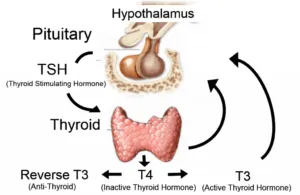
The thyroid releases hormones — primarily triiodothyronine (T3) and thyroxine (T4) — that influence virtually every cell in your body. These hormones are essential for controlling metabolic rate, energy utilization, and cellular signaling.
When thyroid function is suboptimal, many systems slow down:
Energy production and metabolic rate decline
Weight management becomes more difficult
Cognitive function, mood, and focus suffer
Cardiovascular health can be impacted
Temperature regulation and digestion slow
These consequences reflect the thyroid’s central role in system-wide regulation and underscore why optimizing its function is vital.
The Limitations of “Normal” Labs Alone
Traditional thyroid care often focuses on getting thyroid-stimulating hormone (TSH) within a standard laboratory range. But research shows that restoring TSH to “normal” doesn’t always translate into optimal health or symptom resolution for every patient, especially those with persistent symptoms despite normal labs.
That’s where thyroid optimization — which may include evaluating free T3, free T4, reverse T3, and clinical symptom patterns alongside TSH — can help tailor treatment to your needs rather than a one-size-fits-all standard.
Signs You May Benefit from Thyroid Optimization
If your thyroid isn’t performing optimally, you may notice symptoms such as:
Fatigue and low energy
Unexplained weight gain or difficulty losing weight
Brain fog, reduced focus, memory challenges
Mood changes, such as depression or irritability
Sensitivity to cold or cold hands and feet
Low libido or disrupted sleep
These signs often overlap with other conditions, making thyroid optimization — which evaluates both labs and symptoms — an important strategy for people who feel “off” despite normal lab results.
Standard and Advanced Treatment Approaches
1. Thyroid Hormone Replacement
For hypothyroidism, lifelong thyroid hormone replacement — typically with levothyroxine (a synthetic T4 hormone) — is the foundation of treatment. This approach restores thyroid hormone in the body and often normalizes metabolic processes and lab values.
2. Personalized Hormone Optimization
Some patients may benefit from a more nuanced approach, including:
Adjusting hormone types or dosages
Evaluating whether the body efficiently converts T4 to active T3
Targeted dosing based on free T3 and free T4 levels
Assessing symptoms in addition to lab targets
Personalized treatment aims to improve how you feel and function, not just whether your labs fall within a reference range.
Why Thyroid Optimization Matters
Optimizing thyroid function isn’t just about correcting deficiency. It’s about helping your body:
Maintain balanced metabolism and energy production
Support healthy weight management
Improve mental clarity, mood, and focus
Promote cardiovascular and metabolic resilience
Enhance overall quality of life, especially in chronic or medically complex cases
Because the thyroid influences so many systems, optimization often leads to broad improvements in well-being.
Integrating Thyroid Support with Overall Health
Thyroid optimization is most effective when it’s part of a comprehensive plan that includes:
Detailed lab profiling
Hormone balance evaluation
Nutritional and lifestyle support
Addressing underlying factors such as inflammation or stress
Regular monitoring and dose adjustment
This approach ensures treatment is customized and responsive to both clinical data and daily functioning.
Conclusion
Thyroid optimization is a modern, evidence-informed approach to balancing hormone levels for better health and vitality. Rather than stopping at “normal” lab values, it seeks to help patients feel their best by fine-tuning hormone support through clinical expertise, detailed evaluation, and individualized plans.
If you’re experiencing symptoms that don’t seem to match your lab results, a deeper look at thyroid function and personalized optimization may be the key to unlocking renewed energy, improved metabolism, and overall wellness.
Works Cited
Hypothyroidism: A Review. (2025). JAMA Network.
Mayoclinic.org. (2024). Hypothyroidism (underactive thyroid) — Diagnosis and treatment.
Restoring Thyroid Hormone Balance. (2025). Institute for Functional Medicine.
Evaluating health outcomes in the treatment of hypothyroidism. (2022). Frontiers in Endocrinology.
Thyroid Optimization: Why It Matters and How We Can Help. (2025). The A-List Clinic.